What is regenerative agriculture?
Regenerative agriculture is a farming approach that restores and enhances the health of soil, ecosystems, and communities. It focuses on working with nature through practices like rotational grazing, cover cropping, composting, and minimizing soil disturbance to rebuild soil fertility, increase biodiversity, and capture carbon from the atmosphere. The goal is not just to be sustainable, but to improve the land - creating a more resilient, productive, and climate-friendly food system.
There is a lot of new terminology floating around in relation to how exactly animals are being raised: grass-fed, pasture-raised and free-range, and we're sure there are a few more that we are yet to uncover. We would like to break them down as simply and concisely as possible so that we are all on the same page.
What do these terms mean and how are they classified as regenerative or not (ie, whether they have real benefit for the environment or not)?
Knowing what these terms mean and therefore knowing what to look out for and what to ask your supplier or farmer when buying from them (so that you can classify the meat yourself) means that this movement (this way of farming) will actually mean something for the environment, instead of these terms being used without proper basis and therefore without any meaningful benefit.
Pasture-raised poultry
Regenerative: yes
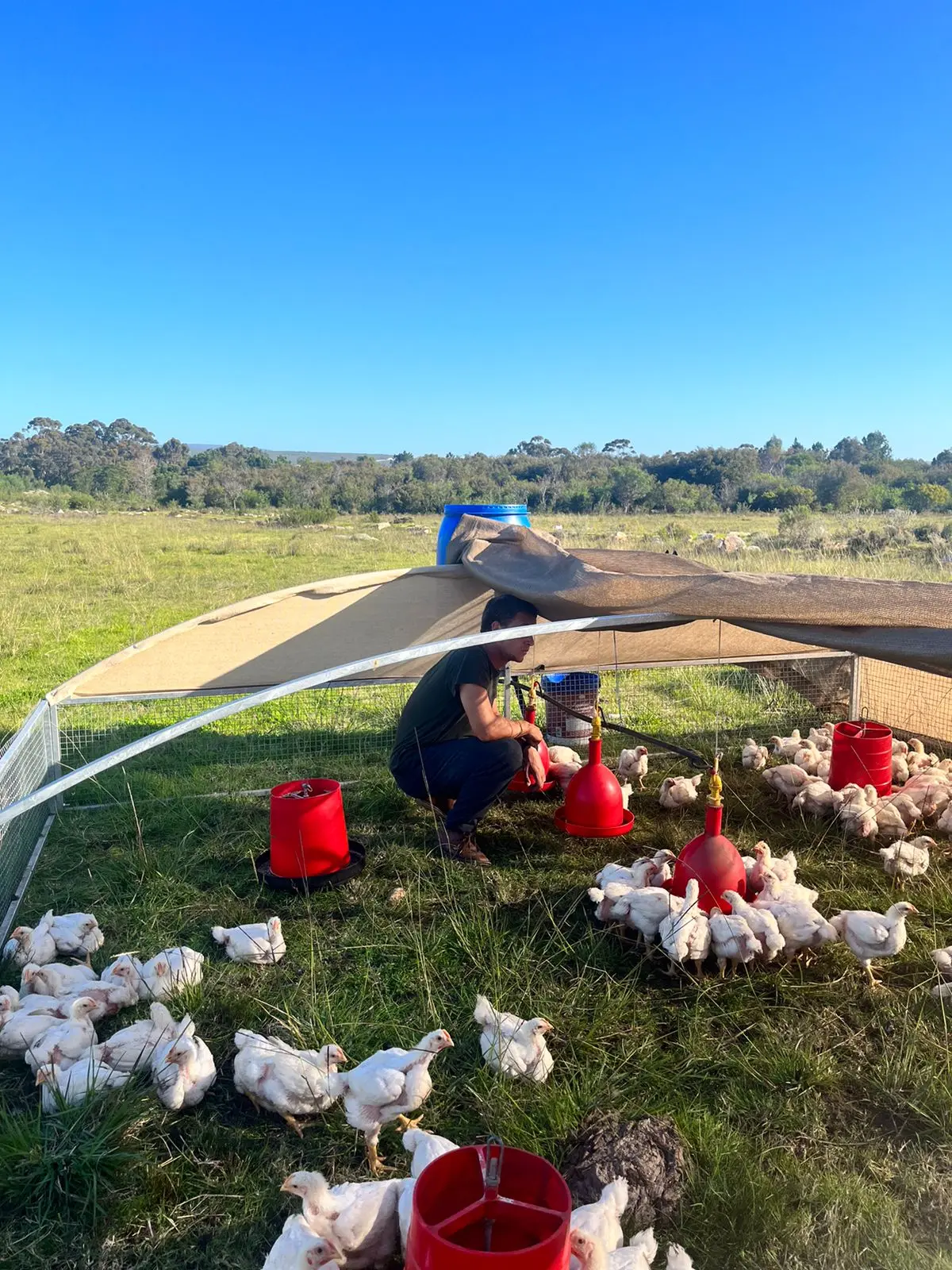
Birds are raised outdoors in floorless, mobile pens that are moved daily to fresh pasture (mobile coops, moved daily), allowing them to forage on grasses, insects, and seeds while receiving supplementary feed.
Pasture-raised chickens play a vital role in regenerating soil and supporting the environment. As they roam and forage, their manure naturally fertilizes the ground with essential nutrients, boosting soil fertility and microbial life. Their scratching aerates the soil, improves water infiltration, and helps mix organic matter, while their appetite for insects reduces the need for chemical pesticides. Managed in rotation, chickens encourage diverse plant growth, enhance carbon sequestration, and prevent erosion - creating a self-sustaining, biodiverse system that builds healthier soil and contributes positively to the planet.
Pasture-raised pork
Regenerative: yes
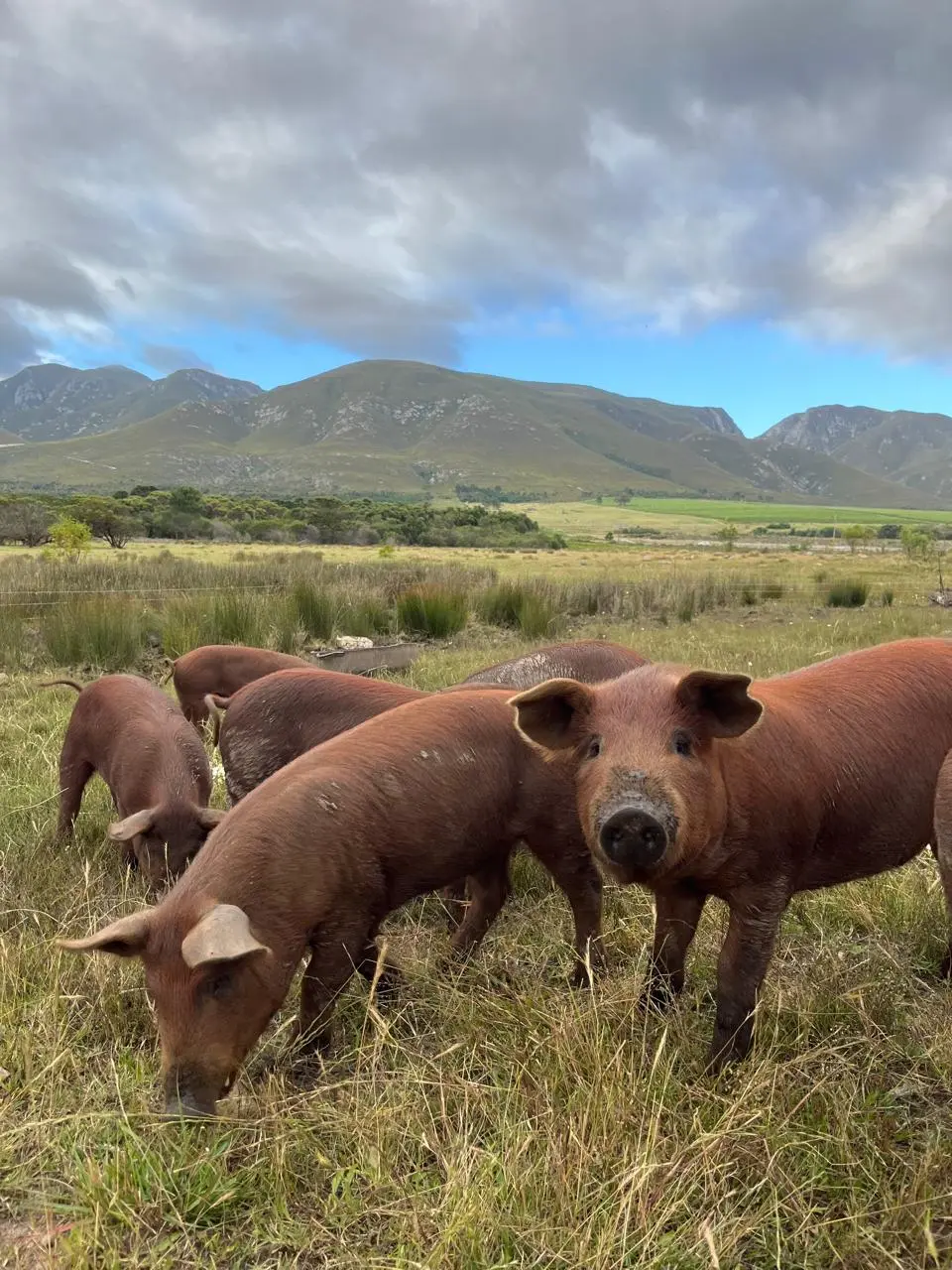
Pigs are raised outside within an electric fence. They are moved to fresh pasture every few days, after they have explored, rooted around in and eaten all they could from their current camp.
Pigs play a key role in regenerative farming by naturally improving soil health and fertility. As they root and forage, they aerate the soil, mix organic matter, and stimulate microbial activity. Their manure adds rich nutrients that enhance plant growth and build soil carbon. When rotated through pastures, pigs help restore degraded land, promote diverse plant cover, and create a balanced ecosystem that regenerates itself over time.
Pasture-raised beef
Regenerative: yes
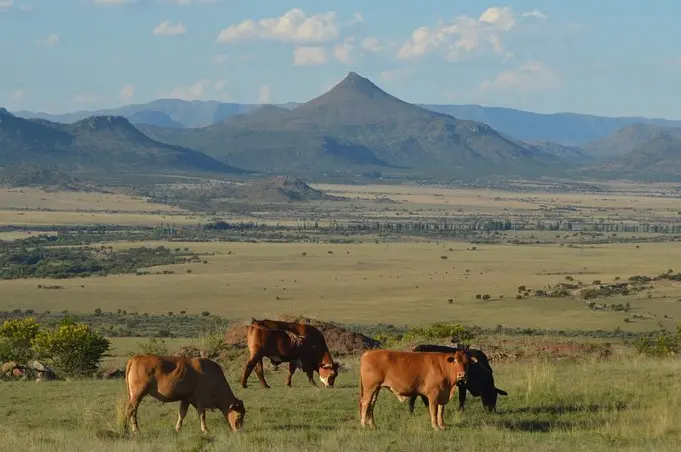
cattle are kept outside within an electric fence. They are moved frequently across small sections of pasture, mimicking the natural movement of wild herds.
Their intensive but short-term grazing encourages plants to regrow stronger, deepens root systems, and increases soil organic matter. The cattle’s manure and trampling help return nutrients to the soil and build carbon-rich humus, improving water retention and fertility. This cycle restores soil health, supports biodiversity, and transforms grazing into a powerful tool for regenerating ecosystems and capturing carbon from the atmosphere.
Grass-fed beef
Regenerative: sometimes
Cattle are fed grass. This can be misleading as feedlots have been known (seldomly, but as this trend grows, we may see it more) to harvest grass and feed it to cattle within the feedlot system, thus enabling them to legitimately label their beef as "grass-fed", which is obviously very misleading as one would assume these cows would be living and moving on the pasture they are eating.
Most "grass-fed" labels do however mean that the cattle are indeed living on the grass, either in large, free-range paddocks or within a pasture-raised model (frequently rotated grazing). If it relates to pasture-raised beef then it does indeed denote regenerative practice, but if it is relating to free-range cows given large tracts of land it can be considered sustainable (ie, the land will be able to sustain the cattle for many years to come), but not regenerative. Here's why: when cattle are given large areas to graze on, they can cherry-pick what they like, overgrazing those more palatable grasses and ignoring what they don't like, which may lead to predominance of certain grasses, leading to a reduction in biodiversity, both in the grass species and within the microbial ecosystems in the soil. It also doesn't have the effect of encouraging new growth in the grass and its root - which happens when grasses are grazed down to an optimal level (before overgrazing occurs).
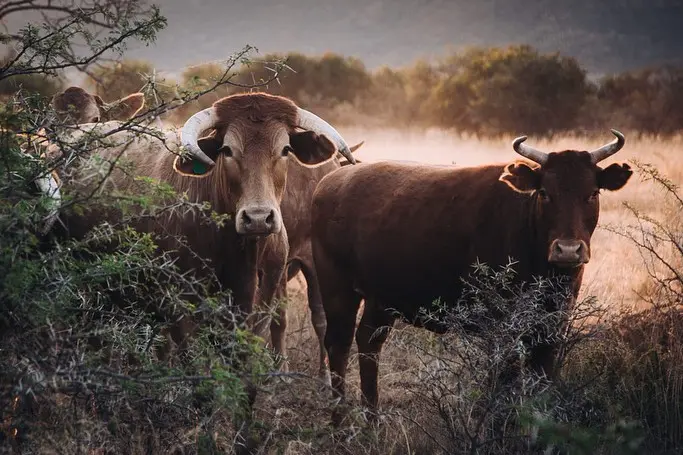
Free-range beef, sheep, pigs, chickens
Regenerative: no
Animals are given open spaces to roam. There are no fixed legislation for cows, sheep or pigs - there are a few different certifying bodies who have different criterion to meet in order to qualify, but there is too much detail to go into it here. A few examples are:
A Greener World (AGW)
Free Range Pork Association (FRPA)
Grass Fed Association of South Africa (GFASA)
South African Poultry Association (SAPA)
South African Meat Industry Company (SAMIC)
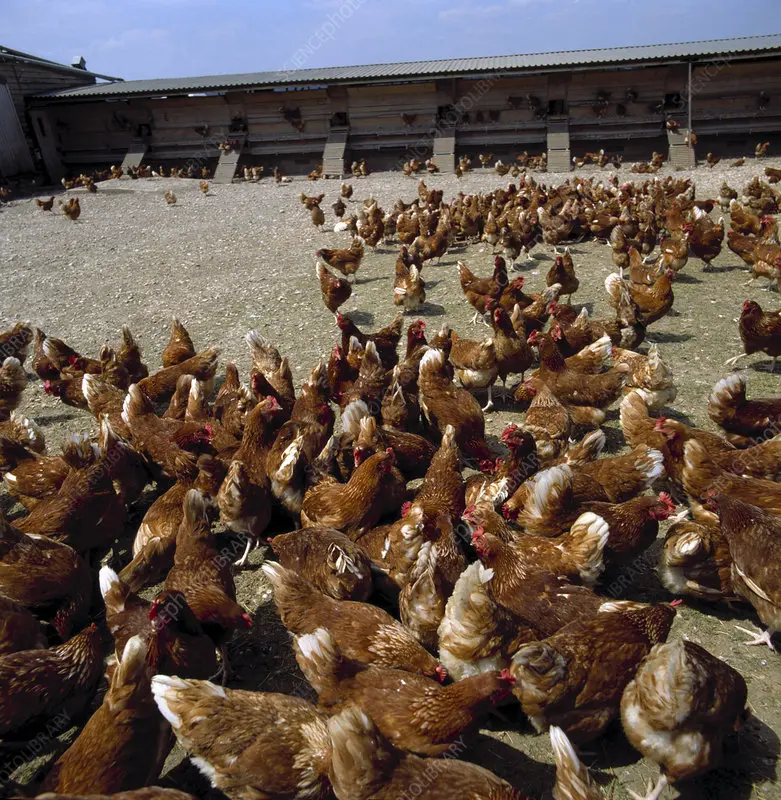
Sometimes a free-range claim doesn't equal high animal welfare either unfortunately, especially in the poultry sector.